What We Do

Services

The full list of what we pour, fix and finish.

HomeServices

Everything we take on

Every job below is one we do ourselves across Anaheim.

Concrete Driveways

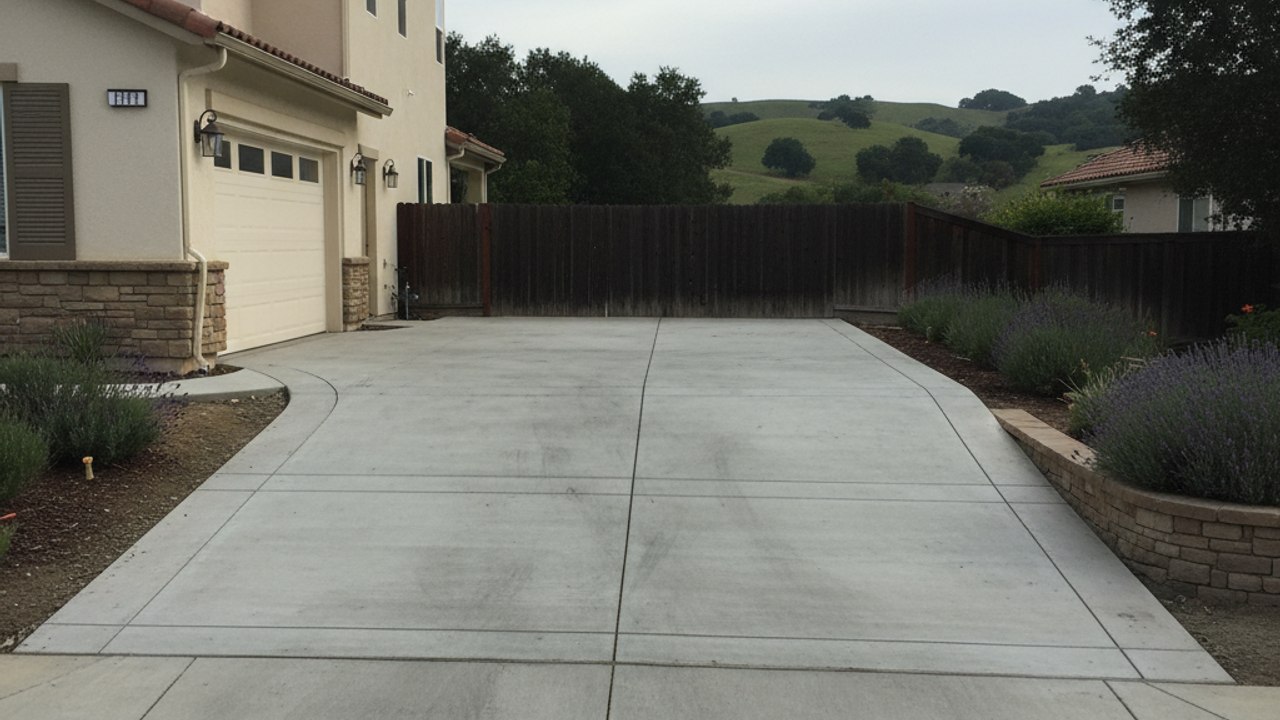
We form and pour driveways over a properly compacted base, not just concrete poured on bare dirt. Most residential driveways get a 4 inch slab with rebar or fiber mesh, and we set control joints roughly every 10 feet so the slab cracks where we tell it to instead of down the middle.

Concrete Patios

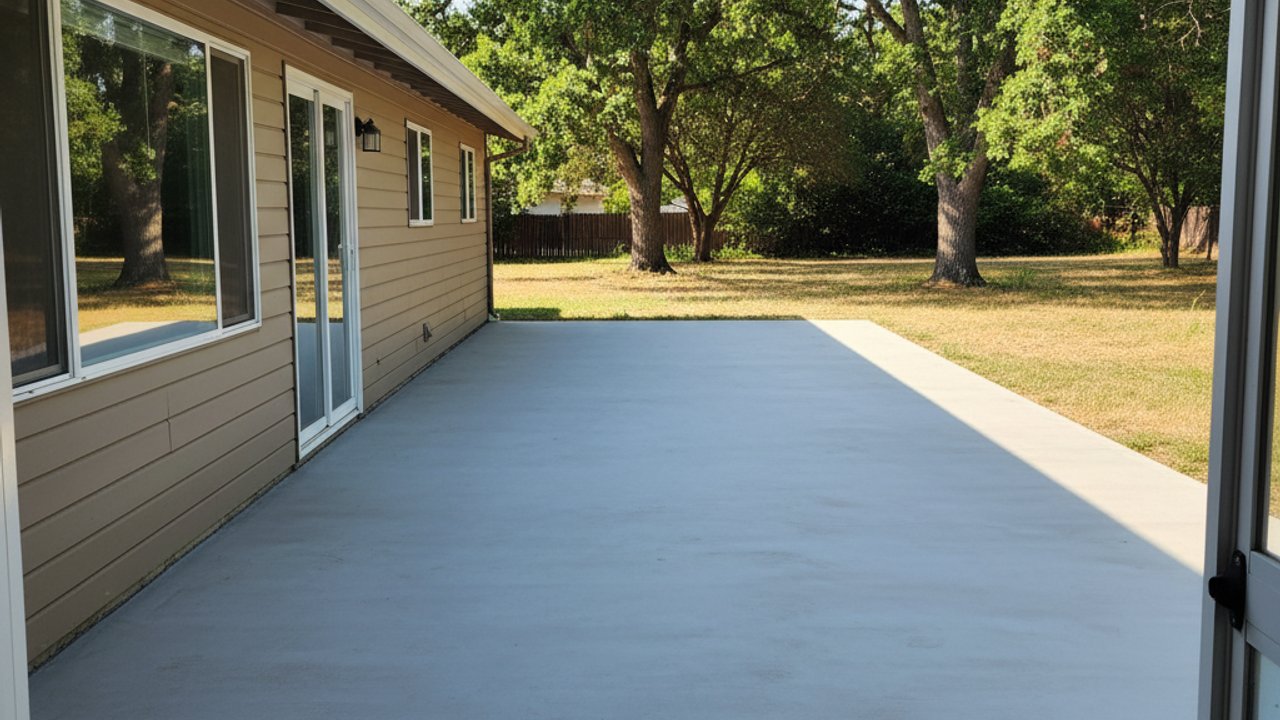
Patio slabs get sized and sloped so water runs away from the house instead of pooling against the foundation. We do broom, trowel or exposed aggregate finishes, and we can tie a new patio into an existing slab if you're extending an old one.

Stamped Concrete

Stamped concrete gets you the look of flagstone, brick or slate without individual pieces to shift or weeds growing between them. We lay down color hardener and a release agent before stamping, then seal it, and that sealer needs reapplying every two to three years to keep the color from fading.

Concrete Repair

A cracked slab isn't always a tear-out job. We can saw-cut and patch isolated cracks, mud-jack a sunken section back to level, and grind down trip hazards where a walkway panel has lifted.

Concrete Resurfacing

If your driveway or patio is structurally sound but pitted, spalled or just looks tired, a resurfacing overlay gives it a new wearing surface without a full replacement. It costs a fraction of tearing out and repouring, and it holds up well as long as the concrete underneath isn't cracked through.

Concrete Steps & Stairs

Exterior steps take a beating from foot traffic and weather, and a lot of older ones were poured without enough reinforcement in the nosing. We form and pour steps with rebar through the tread and riser, so the front edge doesn't chip and spall the way older steps often do.

Retaining Walls

A retaining wall over a couple feet tall carries real soil pressure behind it, which means footings, drainage and usually rebar, not just stacked block. We build in weep holes or a drain line behind the wall so water pressure doesn't build up and push it out over time.

Concrete Sidewalks & Walkways

Cracked or heaved sidewalk panels are a tripping hazard and some cities will cite a homeowner for it. We pour to match the existing grade and slope, and we'll pull the permit if the walkway sits in the public right-of-way.

Pool Decks

Pool deck concrete needs a broom or knockdown finish with enough texture that it isn't slick when wet, and lighter color mixes stay cooler underfoot in the sun. We slope the deck away from the pool coping so splash-out drains instead of sitting on the surface.

Concrete Slabs & Foundations

Garage floor slabs, shed pads and small foundation slabs all need a vapor barrier and compacted base underneath to keep moisture from wicking up through the concrete. We size the reinforcement and thickness to what's actually going on top of it, a storage shed doesn't need the same slab as a workshop with a car lift.

How It Works

Four steps, and no surprises in any of them.

01

We come and look

You tell us what you want doing, we look at what is actually there, and we ask the awkward questions early.

02

You get a price

In writing, itemised, free. If something might add cost later we flag it now rather than at the end.

03

We do the work

Same crew throughout. We cover your floors, keep the dust down and tidy up before we leave each day.

04

We walk it with you

You point out anything you are not happy with and we fix it before the invoice, not after.

Where We Work

All of this, across Anaheim, CA

Anaheim and the cities we regularly drive out to for a pour.

Anaheim, CA
Los Angeles, CA
Long Beach, CA
Santa Ana, CA
Irvine, CA
Huntington Beach, CA
Garden Grove, CA
Fullerton, CA
Orange, CA
Costa Mesa, CA
Westminster, CA
Buena Park, CA
Common Questions

Things worth asking

What tends to come up once a concrete job actually gets scheduled.

Do I need a permit for a new driveway or patio?
Permit requirements depend on the city and the scope of the project, but structural slabs, retaining walls and driveway approaches that tie into a public street usually need one. A backyard patio slab often doesn't need a permit, though checking with the local building department first is worth the phone call.
How long does a concrete driveway or patio take to pour?
Forming and pouring a typical residential driveway takes one to two days, with an extra day or two of prep if old concrete has to be demoed out first. A new slab can usually be walked on after a day or two but shouldn't carry vehicle weight for at least seven days while it cures.
Can concrete work be done on a budget?
Plain gray concrete with a broom finish costs less than stamped or colored concrete and holds up just as well structurally. Trimming a budget usually means simplifying the finish or the shape of the slab, not skipping base prep or reinforcement, since those are what actually keep a slab from cracking early.
Do you guarantee the work?
Reputable concrete contractors stand behind cracking or workmanship issues that show up within a set period after the pour, though hairline shrinkage cracking inside a control joint is normal and not a defect. What's covered and for how long should be spelled out before the contract gets signed.
Who do I deal with once the job starts?
Most concrete jobs have a lead finisher or crew foreman on site handling day-to-day questions, separate from whoever wrote up the original quote. Getting a direct contact for whoever is actually running the pour is worth asking for before work begins.
What kind of concrete mix gets used?
Residential flatwork typically uses a 3000 to 4000 PSI mix, with the higher strength reserved for driveways carrying regular vehicle weight. Reinforcement is either rebar set on a grid or fiber mesh blended into the concrete, and rebar generally resists cracking better on driveways.
Can I still use my driveway or yard while the work is happening?
A driveway or patio being replaced is out of use during demo, forming and the pour itself, and for several days afterward while it cures enough to handle foot and vehicle traffic. Access to a garage or side yard through the work zone usually isn't possible until the new slab can bear weight.
What needs to happen to the site before work starts?
Vehicles, patio furniture and anything stored near the work area need to move before a crew arrives, and a clear path for the concrete truck and equipment makes the pour go faster. Sprinkler lines, gas lines or low branches near the pour area are worth pointing out ahead of time so they don't get damaged.
What happens if something unexpected turns up mid-job?
Demo sometimes uncovers a broken irrigation line, a tree root pushing up under an old slab, or soil too soft to pour on without extra base material. Any of that gets flagged before the pour continues, and it usually means an adjustment to the original quote since it's work outside the initial scope.
How should new concrete be taken care of afterward?
New concrete takes about 28 days to reach full strength, and sealing it too early can trap moisture underneath and cause discoloration. After that, resealing every two to three years and keeping deicing salt or harsh chemicals off the surface keeps a slab looking good longer.

Not sure what you need?

Describe the problem and we will tell you what it probably is. No obligation.
Call (714) 364-8287